Thoughtful, Focused Psychotherapy
For those who carry the weight of difficult decisions, bear witness to suffering, and grapple with experiences that can alter their relationships, values, and sense of self.

Services
-
My practice focuses on adults navigating trauma, moral injury, and the psychological demands of high-stress, high-responsibility roles. People come to therapy for many reasons, including PTSD and other trauma-related concerns, anxiety, depression, insomnia, anger or irritability, substance misuse, relationship difficulties, burnout, and major life or professional transitions.
Many of the people I work with are physicians and other healthcare professionals, first responders, non-profit leaders, executives, and others whose roles involve significant responsibility, exposure to trauma, or difficult decisions. I place particular importance on culturally responsive care and understanding the professional cultures of these roles—including the ways competence, responsibility, stigma, and concerns about privacy can make seeking support more complicated.
My approach is collaborative, active, and tailored to the individual, drawing from evidence-based treatments and relational approaches. Beyond symptom relief, therapy can help you better understand patterns, develop more effective ways of responding to difficult experiences, and strengthen your relationships with yourself and others.
-
Not everyone is looking for ongoing therapy. Sometimes it can be helpful to have a dedicated space to evaluate a particular concern, understand what’s happening, and decide what—if anything—you want to do differently.
I offer brief-term therapy, often 3–6 sessions, for people who want to process a difficult or critical work-related event, explore their relationship with coping strategies or habits they’ve begun to question (such as substance use, eating, exercise, or gaming), or address a clearly defined problem using a practical, solution-focused approach.
We’ll clarify what you hope to get from our work and determine together whether a brief model makes sense for your needs.
-
I offer individual consultation to independently licensed psychologists and other mental health professionals working with complex clinical concerns, particularly trauma, PTSD, moral injury, and co-occurring substance use. My approach is collaborative and tailored to the clinician, providing a space to think through case conceptualization, treatment planning, and challenging clinical dynamics.
Contact me here to discuss the scope of consultation and current fees.
FAQs
-
We’ll start with a complimentary 20-minute phone call to get an initial sense of whether we might be a good fit. From there, we can schedule an in-person or telehealth consultation to further explore what brings you in, what you’re hoping to address, and how we might approach the work together.
Before we meet, I’ll send you some brief paperwork outlining practice policies and gathering background information so we can make good use of our time together. I often encourage people to meet with me once or twice before deciding whether to move forward. From there, we’ll work together to identify your goals and develop a treatment plan tailored to your needs.
-
The length of therapy depends on what brings you in and what you hope to accomplish. For specific, highly targeted goals, therapy may be as brief as 3–4 sessions. Longer-standing concerns, such as past trauma or recurring relationship patterns, may benefit from several months or, at times, longer-term work.
We’ll discuss your goals and an anticipated course of treatment together, and check in regularly about your progress and whether our work continues to feel useful.
-
Confidentiality is foundational to therapy, and I understand that concerns about privacy can carry particular weight for physicians, first responders, executives, and others in high-responsibility roles. Worries about stigma, professional consequences, licensing, credentialing, or simply having sensitive information documented can make seeking support feel risky.
I take those concerns seriously and believe in being transparent about what is documented, why, and who may have access to it. My clinical documentation is intentionally brief and limited to information necessary for ethical and appropriate care. There should be no surprises in your record. If documentation, diagnosis, or privacy is a concern for you, I encourage us to discuss it openly so you understand how I approach each and can make informed decisions about your care.
What you share in therapy is confidential, with limited exceptions required by law, such as situations involving imminent risk of serious harm or suspected abuse of a child, elder, or dependent adult. We will review these limits at the outset, and I will always aim to be as transparent as possible if a confidentiality issue arises.
-
I am not in-network with any insurance plans. As an out-of-network provider, I can provide a superbill that you may submit to your insurance company for possible reimbursement.
Out-of-network benefits vary widely by plan, so I encourage you to check with your insurer about your mental health benefits, deductible, reimbursement rate, and any limits on the number of sessions covered. Understanding your benefits ahead of time can help you determine what your out-of-pocket costs are likely to be.
-
My fee for a standard 50-minute session is $350. If we collaboratively determine that a different session length would be clinically appropriate, the fee will be adjusted accordingly. Please provide at least 48 hours’ notice if you need to cancel or reschedule an appointment. Cancellations with less than 48 hours’ notice are subject to the full session fee.
Good Faith Estimate — If we begin working together, you have the right to receive a Good Faith Estimate outlining the expected cost of your care. If you receive a bill that is at least $400 more than your Good Faith Estimate, you have the right to dispute the charge.
For more information about your rights and the dispute process, visit CMS.gov/nosurprises.
Location & Availability
In-Person Appointments
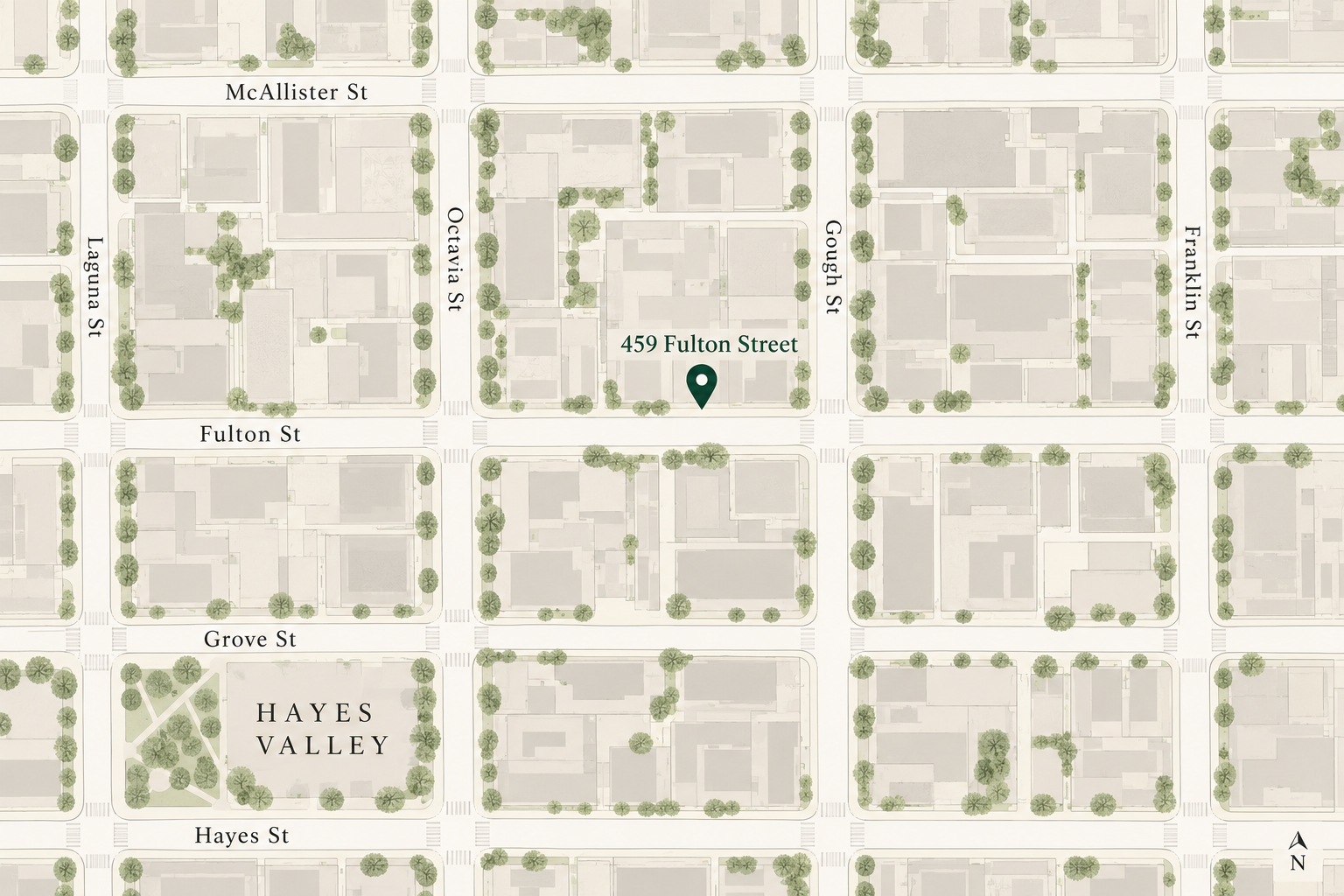
459 Fulton Street, Suite 102 (Cross Gough)
Available on Thursdays only
Telehealth Appointments
Residents living within California (PSY24582) or North Carolina (7022)
Available on Tuesdays, Wednesdays, and Thursdays